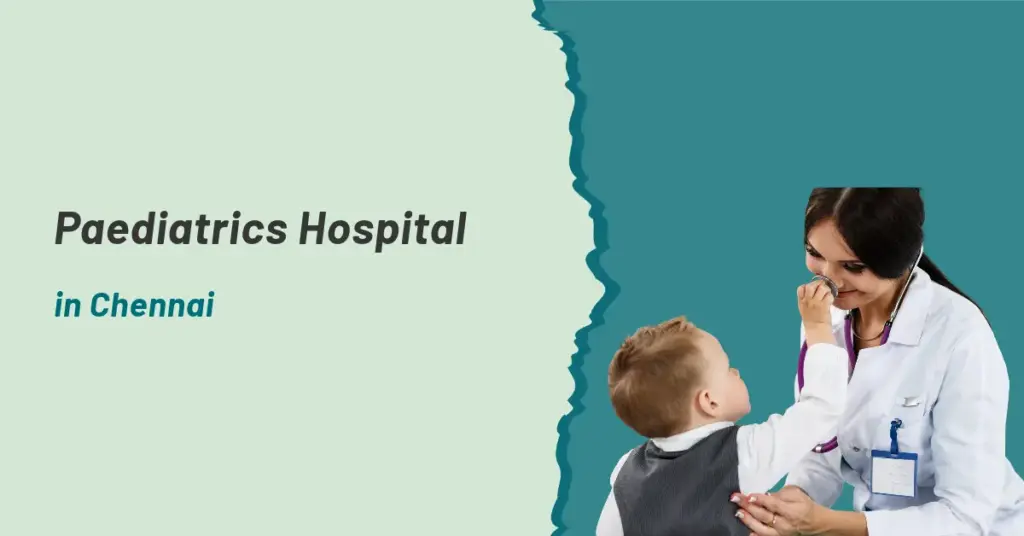
A child who is usually playful may suddenly become quiet. A newborn may refuse to feed, or a toddler may develop a fever in the middle of the night. For parents, even a small change in a child’s behaviour can raise concerns because young children cannot always explain what is troubling them.
Having access to the right medical care makes these moments easier to navigate. A paediatrics hospital in Guduvancheri can support families with newborn care, childhood illness management, vaccinations, growth monitoring and medical attention when a child needs closer observation.
Paediatric Care at Every Stage of Childhood
Children have different healthcare needs as they grow. Newborns require careful monitoring during their first days and weeks, while older children may need attention for infections, nutrition concerns, developmental changes or injuries.
Paediatric care considers these age related differences rather than treating children as smaller adults. It helps parents understand what is expected at each stage and when a symptom needs medical assessment.
A paediatrician in Guduvancheri can support families with:
- Newborn and infant health: Monitoring feeding, weight gain, jaundice, sleep patterns and early growth, while identifying concerns that may need further evaluation.
- Common childhood illnesses: Assessing fever, cough, cold, ear infections, stomach infections, vomiting, diarrhoea and other health concerns.
- Growth and development: Reviewing height, weight and developmental milestones to identify patterns that may require attention.
- Nutrition and feeding: Guiding parents on breastfeeding, complementary feeding, balanced nutrition and dietary needs suited to the child’s age.
- Preventive healthcare: Advising on immunisation, routine health reviews and steps that help protect children from preventable illnesses.
Regular paediatric consultations also give parents an opportunity to discuss concerns before they become more difficult to manage.
Newborn Care: Support During the First Few Weeks
The first few weeks after birth involve several important adjustments. Feeding routines are still developing, sleep patterns can be unpredictable and parents are learning to recognise their newborn’s needs.
Newborn assessments help monitor the baby’s transition after birth and identify concerns that may require treatment. These may include jaundice, feeding difficulties, low birth weight, breathing concerns or signs of infection.
Parents should seek medical advice if a newborn:
- Has difficulty feeding or repeatedly refuses feeds.
- Appears unusually sleepy or is difficult to wake.
- Develops yellowing of the skin or eyes.
- Has fewer wet nappies than expected.
- Shows signs of breathing difficulty or unusual behaviour.
Clinical Insight: A temperature of 38°C or higher in a baby younger than three months requires urgent medical evaluation, even if the baby otherwise appears well. Parents should not delay assessment while waiting for other symptoms to develop.
Newborns who need specialised monitoring or treatment may require neonatal intensive care. Having access to appropriate newborn support within a hospital can help ensure that medical concerns are assessed and managed without unnecessary delay.
Managing Common Childhood Illnesses
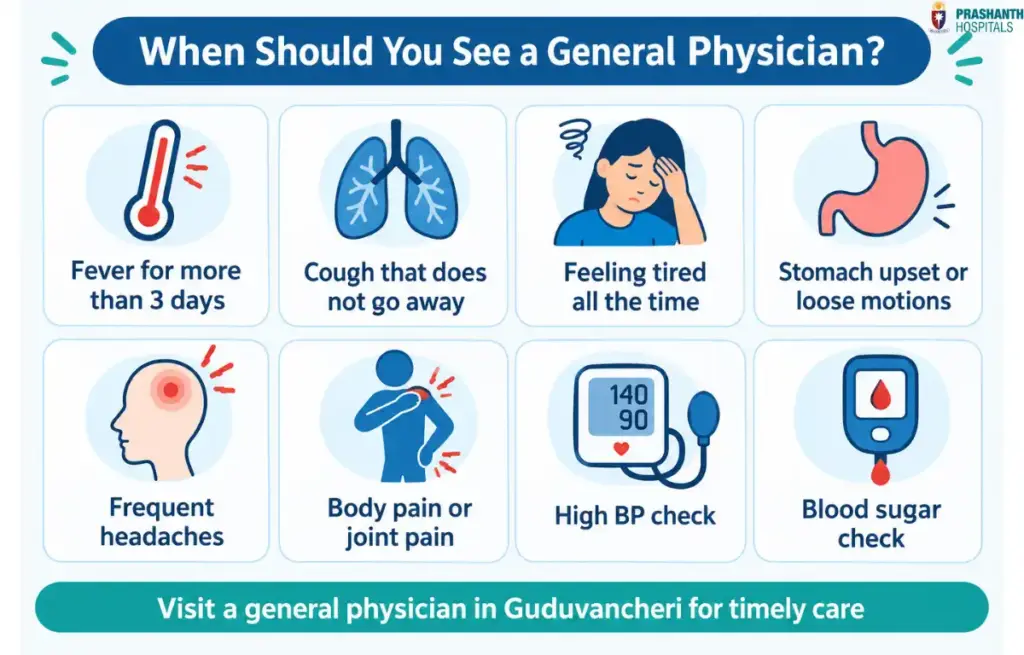
Children are exposed to infections as they grow, particularly when they begin attending school or spending time in group settings. Fever, cough, cold, loose stools and vomiting are among the concerns that commonly lead parents to seek paediatric advice.
Most childhood illnesses can be managed with appropriate assessment and treatment. However, the cause and severity of symptoms matter. The same symptom may need a different approach depending on the child’s age, medical history and general condition.
A paediatrician can assess:
- Fever and infections: Looking for possible causes and identifying whether further tests or treatment are necessary.
- Respiratory symptoms: Evaluating persistent cough, wheezing, fast breathing or difficulty breathing.
- Digestive concerns: Assessing diarrhoea, vomiting, abdominal discomfort and possible dehydration.
- Skin and allergic conditions: Reviewing rashes, itching, allergic reactions and recurring skin problems.
Parents should avoid giving children leftover antibiotics or medicines prescribed for another person. Medication and dosage must be appropriate for the child’s age, weight and clinical condition.
Clinical Insight: During vomiting or diarrhoea, reduced urination, a dry mouth, unusual drowsiness or difficulty retaining fluids can indicate dehydration. A child showing these signs needs prompt medical assessment.
Growth, Nutrition and Development Need Attention Too
A child’s health is not measured only by the absence of illness. Growth, nutrition, physical activity, communication and developmental progress are also important parts of paediatric care.
Regular assessments help track whether a child is following an expected growth pattern. They can also help identify concerns such as poor weight gain, nutritional deficiencies or delays in reaching developmental milestones.
Parents can discuss changes such as:
- Limited appetite or persistent feeding difficulties.
- Weight gain or growth that appears slower than expected.
- Delays in speech, movement or social interaction.
- Sleep difficulties or changes in behaviour.
- Recurrent infections or ongoing health complaints.
Development varies between children, so a single missed milestone does not automatically indicate a medical problem. However, persistent concerns deserve professional assessment rather than comparison with other children.
Vaccination and Preventive Healthcare
Vaccination protects children against several serious infectious diseases. Following the Indian Academy of Paediatrics (IAP) immunisation schedule helps build protection at the recommended ages and reduces the risk of preventable complications.
Parents should maintain an updated vaccination record and discuss missed or delayed doses with a paediatrician. The doctor can review the child’s age, previous vaccinations and health history before advising on the next steps.
Preventive consultations can also cover nutrition, hygiene, sleep, dental care and safety measures suited to the child’s age.
When Does a Child Need Hospital Based Care?
Not every fever or cough requires hospital admission. However, some symptoms need urgent medical attention, particularly when a child’s breathing, hydration, alertness or overall condition is affected.
Parents should seek immediate medical care if a child experiences:
- Difficulty breathing, very fast breathing or bluish lips.
- Seizures, loss of consciousness or difficulty waking.
- Severe dehydration or inability to retain fluids.
- Persistent vomiting with worsening weakness.
- A rapidly worsening condition or unusual unresponsiveness.
When symptoms appear severe, emergency assessment is more important than waiting for a routine appointment. In an emergency, call 108 or take your child straight to the nearest hospital emergency department.
NICU and PICU Support When Closer Monitoring is Needed
Some newborns and children need more than routine consultations or ward based treatment. Intensive care facilities provide specialised monitoring and support for patients whose condition requires closer medical attention.
- Neonatal Intensive Care Unit (NICU): This unit cares for newborns who need specialised support. Reasons may include prematurity, low birth weight, breathing difficulties, infections, jaundice requiring treatment or feeding related complications.
- Paediatric Intensive Care Unit (PICU): This unit supports infants and older children with serious illnesses or conditions requiring intensive monitoring and treatment. The need for PICU care depends on the child’s clinical condition and the level of support required.
Clinical Insight: NICU and PICU serve different age groups and medical needs. A newborn requiring specialised neonatal support is generally cared for in a NICU, while a seriously ill older infant or child may need a PICU.
Finding a Paediatrics Hospital in Guduvancheri
For families living in and around Guduvancheri, access to hospital based paediatric care can make it easier to seek timely attention for both routine and urgent health concerns.
Parents may be looking for a pediatric hospital in Guduvancheri that can support different stages of childhood, from newborn assessments and vaccinations to the management of common illnesses and more serious medical conditions.
Location is also a practical consideration. Families from Nandhivaram, Urapakkam, Adhanur, Potheri, Vandalur and Maraimalai Nagar looking for a children’s hospital near Guduvancheri may consider access to Guduvancheri when choosing a hospital for their child’s healthcare needs.
Along with location, it is worth checking whether the hospital has:
- Paediatricians available for consultations and urgent medical needs.
- Newborn care and neonatal support.
- Inpatient facilities for children who require admission.
- A NICU, and access to a PICU when intensive care is needed for an older child.
- Vaccination services and guidance on preventive healthcare.
Knowing what services are available before an urgent situation arises can help parents make more informed decisions.
Paediatric Care at Prashanth Hospitals, Guduvancheri
For families searching for a paediatrics hospital in Guduvancheri, Prashanth Hospitals provides access to paediatric and newborn healthcare at its Guduvancheri branch.
Paediatricians are available at the hospital from 9 AM to 9 PM for consultations, illness assessment, vaccinations and growth reviews. Children who need admission are cared for as inpatients in the hospital’s ward under the paediatric team. For newborns who need closer monitoring, the hospital has a Level III NICU. The hospital does not have a PICU, so if an older child needs paediatric intensive care, the team can guide the family on the next steps.
Emergency care is available 24 hours a day for children who become unwell outside consultation hours.
Prashanth Hospitals, Guduvancheri Address: No. 16–18, GST Road, NPR Nagar, Nandhivaram, Guduvancheri, Chengalpattu – 603202 Phone: 044 4032 3333 Paediatrician consultation: 9 AM to 9 PM Emergency: 24 hours
Whether a child needs a routine consultation, assessment for an illness or hospital based care, parents can contact Prashanth Hospitals Guduvancheri to understand the appropriate service and arrange medical attention.
Helping Children Grow Healthier, One Stage at a Time
Childhood healthcare involves more than treating an illness when it appears. It includes preventive care, timely medical attention, healthy development and guidance that helps parents make informed decisions as their children grow.
For families looking for a paediatrics hospital in Guduvancheri, Prashanth Hospitals offers access to paediatric and newborn care, inpatient admission for children and a Level III NICU. Having a dependable point of access to medical guidance can help families respond to their children’s healthcare needs with greater confidence.