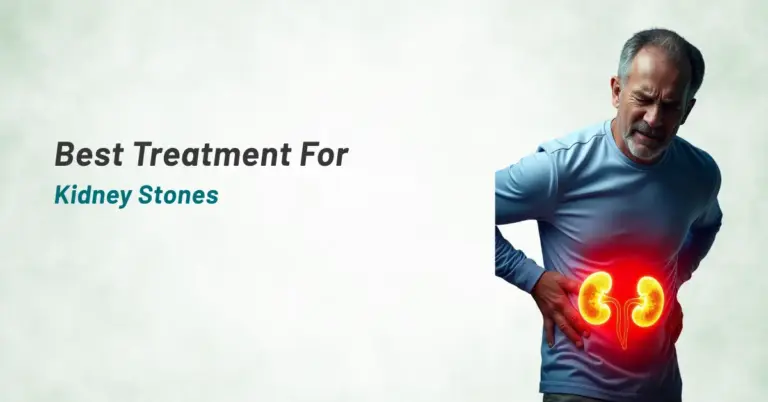
One moment you are fine. The next, you feel a sharp, gripping pain in your back or side that takes your breath away. For many people in Chennai, that is how a kidney stone makes itself known.
Kidney stones are one of the most common urological problems seen across Tamil Nadu. The hot climate plays a real role. When you sweat heavily and do not drink enough water, your urine becomes more concentrated. That gives minerals in your urine the chance to crystallise and form stones.
The good news is that kidney stone treatment in Chennai has come a long way. Most cases today do not require open surgery. Many patients go home the same day or the day after treatment. This guide walks you through everything you need to know, from recognising the symptoms to understanding your treatment options and preventing stones from forming again.
What are Kidney Stones?
Kidney stones are hard deposits that form inside the kidneys when certain minerals and salts in your urine become too concentrated. They vary in size. Some are as small as a grain of sand. Others grow to the size of a pebble or larger.
The most common type in India is the calcium oxalate stone. Other types include uric acid stones, struvite stones, and cystine stones. Knowing the type of stone matters because it influences both treatment and prevention.
Small stones often pass through the urinary tract on their own. Larger ones may get stuck. When a stone blocks the flow of urine, that is when pain becomes severe and medical treatment becomes necessary.
Signs that You May Have a Kidney Stone
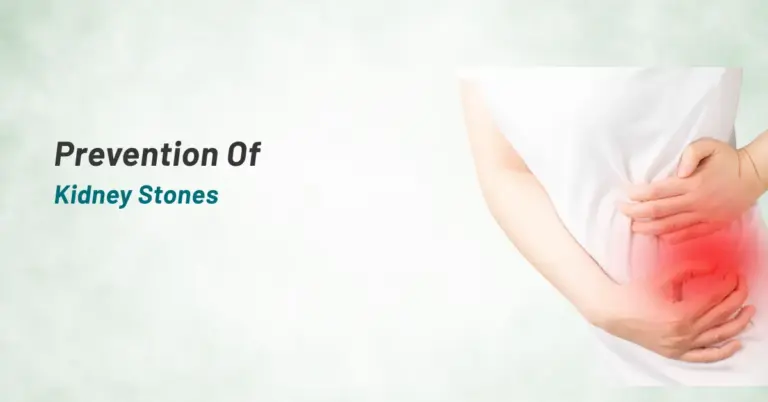
Kidney stone pain is hard to ignore. It tends to come in waves and can be one of the most intense pains a person experiences.
Common symptoms include:
- Sudden, severe pain in the back or side, just below the ribs
- Pain that radiates down to the lower abdomen or groin
- Burning or pain when urinating
- A frequent urge to urinate but passing only small amounts
- Pink, red, or brown colour in the urine
- Cloudy or unusually foul-smelling urine
- Nausea and vomiting alongside the pain
- Fever and chills if infection is also present
Fever with kidney stone pain is a medical emergency. It may mean the blocked kidney has become infected. If you have fever along with any of these symptoms, go to the emergency department immediately without waiting.
If you are experiencing these symptoms and live in Chennai, prompt evaluation at Prashanth Hospitals can help identify the stone quickly and get you the right care without delay.
How are Kidney Stones Diagnosed?
Your doctor will usually start with a few simple tests to confirm the diagnosis and understand the stone better.
A urine test checks for blood, signs of infection, and the mineral content of your urine. A blood test looks at calcium, uric acid, and kidney function. Imaging is the most important step. A CT scan of the kidneys, ureters, and bladder, called a CT KUB, is the most accurate way to find a stone, confirm its exact size, and determine its location. An ultrasound is often used as a first step, particularly for children and pregnant women.
If a stone passes on its own, sending it for laboratory analysis helps identify its type. This guides prevention so you are less likely to form another one.
Kidney Stone Treatment in Chennai: Which Option is Right for You?
The right treatment depends on three things: the size of the stone, where it is sitting in the urinary tract, and whether it is causing a blockage or infection. Here is a clear breakdown of the options available.
Watchful Waiting
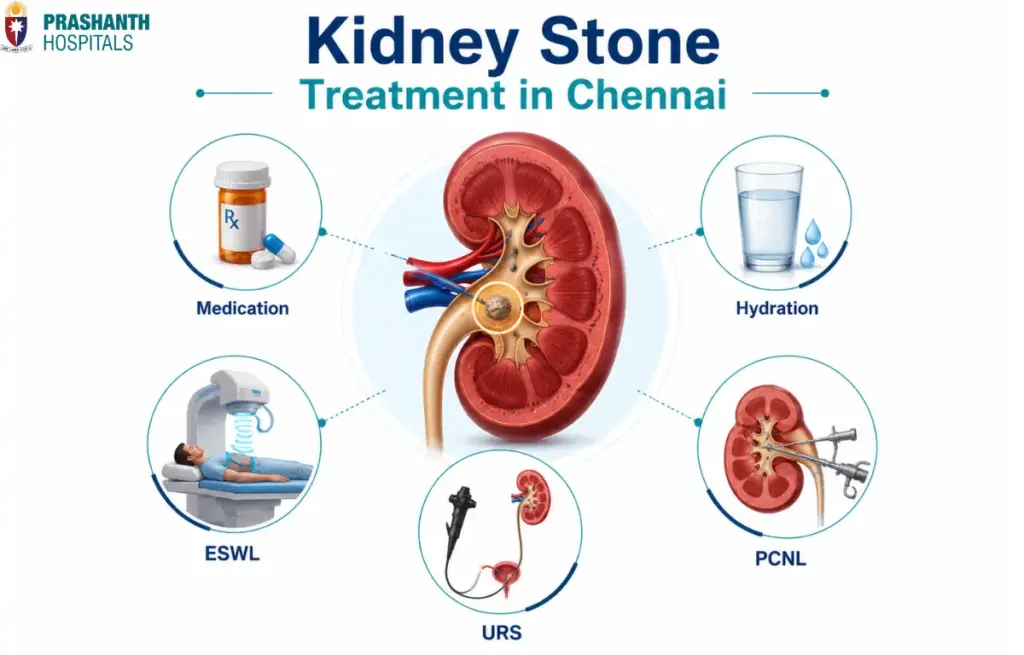
Stones smaller than 5mm usually pass on their own without any procedure. Stones between 5mm and 10mm may also pass with medical therapy depending on where they are sitting in the urinary tract. Your doctor may prescribe a medication that relaxes the ureter, the thin tube connecting the kidney to the bladder, to help the stone move through more easily. You will be monitored with follow-up scans throughout this period.
This approach is only suitable for small, uncomplicated stones in otherwise healthy patients with no infection, no fever, and no severe or uncontrollable pain.
ESWL (Shock Wave Treatment)
ESWL stands for Extracorporeal Shock Wave Lithotripsy. It is a non-invasive procedure with no cuts and no stitches. Focused sound waves are directed at the stone from outside the body, breaking it into smaller fragments that pass naturally in the urine.
It takes roughly 45 to 60 minutes and is done as an outpatient procedure in most cases. ESWL is generally most effective for selected kidney and upper ureter stones smaller than about 20mm, though stone density and exact location also influence how well it works. Some patients need more than one session to clear the stone completely.
Laser Lithotripsy (Ureteroscopy with Laser)
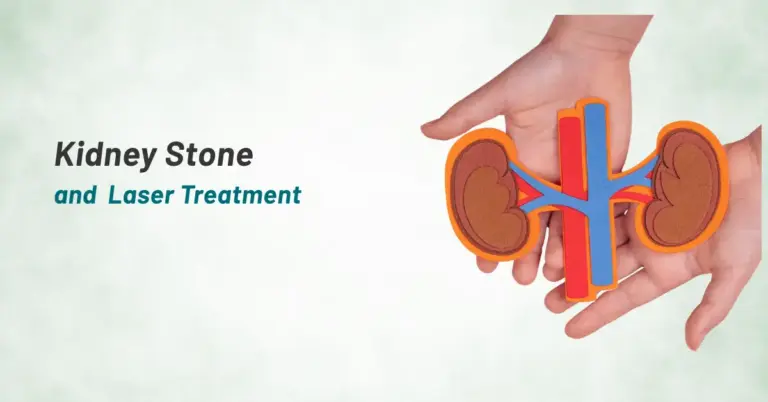
This is currently one of the most widely used methods for kidney stone treatment in Chennai. A thin telescope called a ureteroscope is passed through the urethra and bladder into the ureter. A Holmium laser then breaks the stone into tiny fragments that either pass in the urine or are removed during the procedure.
No cuts are made. It is done under anaesthesia and usually requires a one to two day hospital stay. It is particularly effective for stones in the ureter and for stones that did not respond to ESWL.
When families ask about kidney stone laser treatment cost in Chennai, the answer depends on the stone size, its complexity, and the hospital’s facilities. At Prashanth Hospitals, our team will discuss the full process and costs clearly at your consultation so there are no surprises.
RIRS (Retrograde Intrarenal Surgery)
RIRS uses a flexible telescope that bends and reaches stones sitting deep inside the kidney itself. A laser breaks the stone into dust-like particles. No incision is needed. It is effective for kidney stones up to 2cm and offers faster recovery compared to traditional open surgery, although a temporary ureteral stent is commonly placed after the procedure to help urine drain while the ureter heals. This stent is removed in a short follow-up appointment.
PCNL (Percutaneous Nephrolithotomy)
For large kidney stones above 2cm, or complex stones that fill a significant part of the kidney, PCNL is the most effective option. A small incision is made in the back, and a telescope is passed directly into the kidney to break and remove the stone.
It requires general anaesthesia and a hospital stay of two to three days. A less invasive version called Mini-PCNL uses a smaller incision and is associated with less blood loss and a faster recovery.
| Stone Size | Recommended Treatment |
| Less than 5mm | Watchful waiting with fluids and monitoring |
| 5mm to 10mm | Medical therapy, watchful waiting based on location |
| Up to 20mm in kidney | ESWL based on stone density and location |
| Any size in ureter | Laser lithotripsy |
| Up to 2cm in kidney | RIRS |
| Above 2cm in kidney | PCNL or Mini-PCNL |
Open Surgery
Open surgery for kidney stones is rarely needed today. With the availability of laser and endoscopic techniques, it is reserved only for extremely complex cases where other methods are not suitable. Most patients undergoing kidney stone treatment in Chennai will not need open surgery.
Kidney Stone Treatment at Prashanth Hospitals, Chennai
Prashanth Hospitals is a NABH-accredited multi-specialty hospital in Chennai with a dedicated Urology and Nephrology department. Our specialists manage kidney stones at every stage, from first diagnosis through to treatment and long-term follow-up.
All major kidney stone treatments are available under one roof, including laser lithotripsy, RIRS, ESWL, PCNL, and Mini-PCNL. In-house CT scanning, ultrasound, and laboratory services mean you do not have to travel between facilities for your diagnostic work-up.
For families looking for the best hospital for kidney stone treatment in Chennai, what matters most is experienced specialists, the right equipment, and a team that explains your options clearly before you decide anything. That is what we aim to provide at every consultation.
Book an appointment at Prashanth Hospitals today and take the first step toward relief.
What to Expect After Treatment
Recovery depends on which treatment you had, but for most patients the process is straightforward.
After laser lithotripsy or RIRS, most patients go home within one to two days. Some mild discomfort, blood-tinged urine, and a frequent urge to urinate are normal for a few days after the procedure. These usually settle on their own.
A ureteral stent is sometimes placed temporarily after treatment to support urine flow while healing takes place. It is removed during a brief follow-up visit, usually within one to two weeks.
A follow-up scan is typically done four to six weeks after treatment to confirm the stone has cleared completely.
Hydration is the most important part of recovery. Aim to produce at least 2 to 2.5 litres of urine per day. This helps flush the urinary tract and reduces the risk of new stone fragments settling and growing again.
How to Prevent Kidney Stones From Coming Back
Treatment removes the stone. Prevention stops the next one. Up to half of people who have had a kidney stone will develop another within five to ten years without taking preventive steps.
These are the most effective things you can do:
Stay well hydrated. In Chennai’s heat, fluid needs are higher than average. The practical goal is to produce at least 2 to 2.5 litres of clear urine every day. Pale yellow urine is a good sign. Dark urine means you need to drink more.
Include citrus in your diet. Lemon juice, orange juice, and other citrus fruits are natural sources of citrate. Citrate is a compound that binds to calcium in the urine and helps prevent crystals from forming. A glass of fresh lime water daily is one of the simplest and most practical preventive steps for anyone in Chennai.
Reduce salt. High sodium intake raises the amount of calcium your kidneys excrete into the urine, which increases stone risk. Reducing processed foods and pickled items makes a noticeable difference over time.
Watch your protein intake. Large amounts of animal protein raise uric acid and calcium levels in urine, both of which contribute to stone formation. This does not mean avoiding protein entirely. It means keeping portions moderate and balanced.
Avoid excessive intake of high-oxalate foods if you had a calcium oxalate stone. Foods like spinach, beetroot, and nuts do not need to be eliminated, but eating them in very large amounts regularly can increase oxalate levels in the urine for susceptible people. Your doctor can advise whether restriction is necessary based on your stone type.
Do not reduce dietary calcium without medical advice. This surprises many people. Cutting calcium from your diet can actually raise stone risk because calcium in the gut binds to oxalate and prevents it from reaching the kidneys. Speak with your doctor before making any changes to calcium intake.
Attend your follow-up appointment. A 24-hour urine collection test after treatment helps identify your specific risk factors so prevention can be personalised rather than generic.
At Prashanth Hospitals, nutritional guidance is part of how we approach kidney stone management. We help you understand not just how to treat the stone you have today, but how to reduce the chance of forming another one.
When to Seek Emergency Care
Most kidney stone pain can be managed with medication while you wait for a scheduled appointment. But some situations need immediate attention.
Go to the emergency department right away if you have:
- Vomiting that prevents you from keeping fluids down
- Kidney stone pain with a fever above 38 degrees Celsius
- Complete inability to urinate
- A known single functioning kidney with a suspected blockage
- Pain that does not improve with medication
Conclusion
Kidney stones are painful, but they are also very treatable. With the range of procedures available today, from simple watchful waiting to laser lithotripsy and RIRS, most patients can get effective kidney stone treatment in Chennai without open surgery and with a faster recovery than they expect.
What matters most is acting early. Getting diagnosed promptly, understanding your treatment options clearly, and following through with preventive care after treatment are the three steps that make the biggest difference to long-term outcomes.
If you or a family member is dealing with kidney stone pain in Chennai, do not put off getting it checked. The right care at the right time makes the entire experience less stressful and the recovery faster.
At Prashanth Hospitals, our urology and nephrology specialists are here to guide you from diagnosis through to recovery and beyond. Whether you are looking for a second opinion, a planned treatment, or urgent evaluation, our team is ready to help. Book your appointment today and get the care and clarity you deserve.