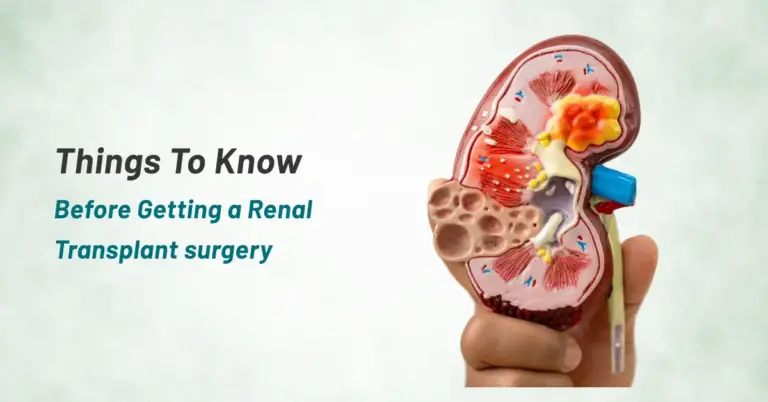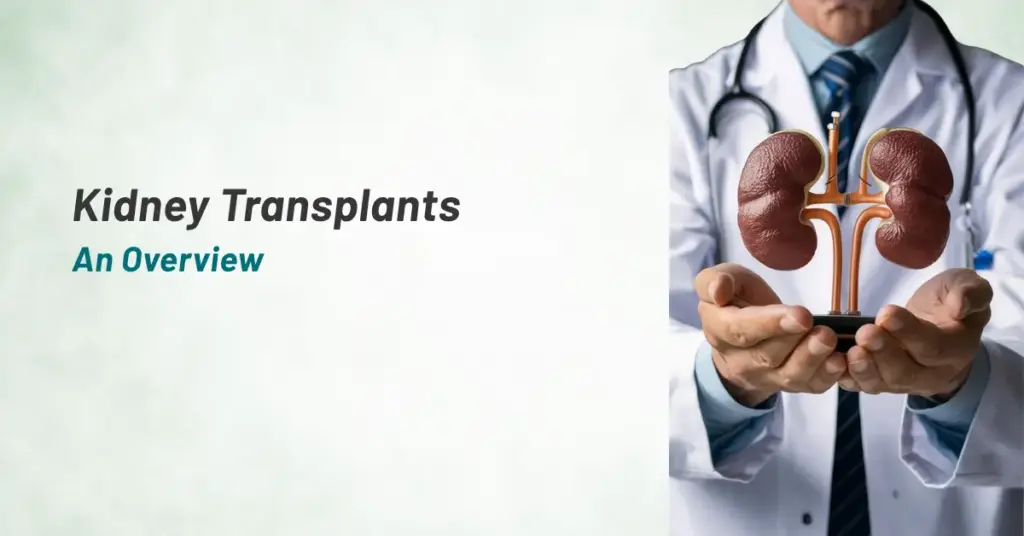
A kidney transplant is now one of the most common organ transplant surgeries. The kidney transplant procedure has been performed since the 1950s and is considered a lifesaving treatment for thousands of patients with end-stage kidney disease. It is a lifesaving choice for thousands of patients with end-stage kidney disease. Kidney transplants are required for people who have kidney failure – when the kidneys have lost 90% of their ability to function. Ensure you receive quality treatment from the best kidney transplant hospitals in India, Prashanth Hospitals.
Kidney Transplant vs Dialysis: Which is Better?
Dialysis keeps patients alive by filtering the blood mechanically, usually three times a week for four hours each session. It works, but it is demanding on the body and tiring for daily life.
A successful kidney transplant generally offers a longer life, fewer hospital visits, no need for dialysis sessions, better energy levels, fewer food and fluid restrictions, and a much higher quality of life. Most doctors recommend transplantation as the preferred long-term treatment for eligible patients with ESRD.
That said, not everyone is a transplant candidate. Patients with active cancer, severe heart disease, active infections, or serious psychiatric conditions may not be eligible. Your transplant team will evaluate this carefully.
Types of Kidney Donors: Living vs Deceased
There are two main sources for a donor kidney. In India, about 90% of kidney transplants come from living donors, usually a family member. Only about 10% come from deceased donors.
Living donor transplant: A close relative (parent, sibling, child, or spouse) donates one kidney. Living donor kidneys tend to work better and last longer because the surgery is planned and the kidney spends less time outside the body.
Deceased donor transplant: A kidney from someone who has recently passed away and whose family consented to organ donation. Waiting times vary depending on blood type and availability.
Blood group and tissue type compatibility are tested before any transplant. In some cases, ABO-incompatible transplants (where blood groups do not match) are now possible with special pre-treatment protocols, though this requires additional preparation.
Pre-Transplant Evaluation: What to Expect
Before you are approved for a kidney transplant, the medical team will run a thorough evaluation of both the recipient and the donor. This is not a quick process but it is essential for a safe outcome.
Recipient evaluation includes:
- Blood group and tissue typing
- Crossmatch test to check if the recipient’s immune system will accept the donor kidney
- Heart evaluation (ECG, echo) to ensure the patient can handle surgery
- Imaging of the abdomen and urinary tract
- Screening for infections like hepatitis, HIV, and tuberculosis
- Psychological assessment to ensure the patient can manage post-transplant care
- Review of all current medications, including supplements
Your transplant surgeon will explain which tests apply to you and answer all your questions before the process moves forward.
The Kidney Transplant Procedure: Step by Step
The kidney transplant procedure is performed under general anesthesia and usually takes about 3 to 4 hours. Here is what happens at each stage.
Step 1: Anesthesia and preparation. You are put under general anesthesia. The surgical team sterilizes the lower abdomen area where the new kidney will be placed.
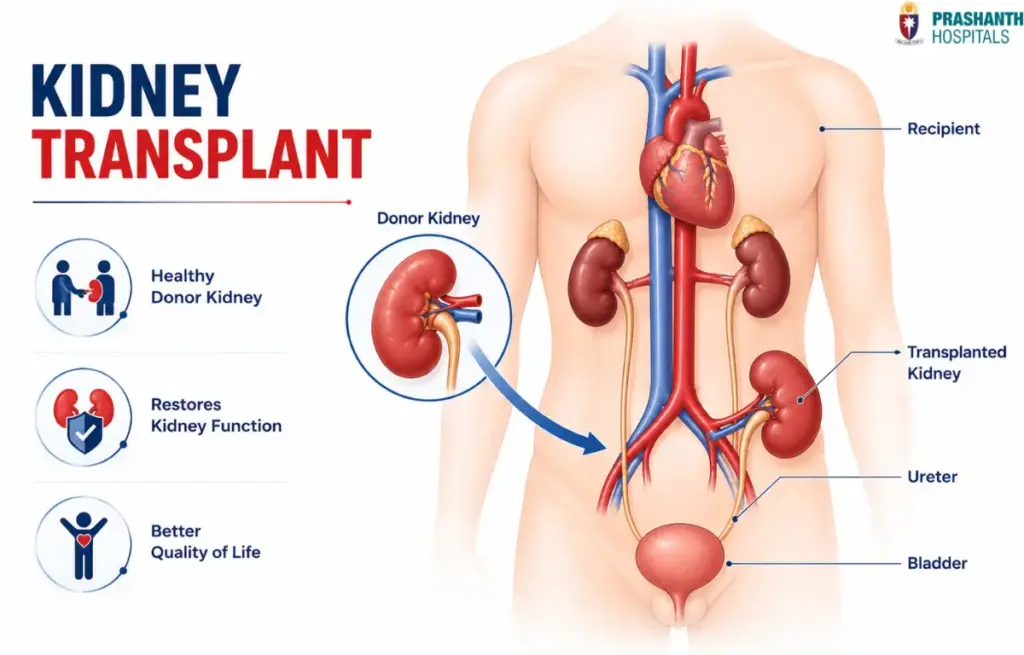
Step 2: Placing the donor kidney. Unlike what many people expect, the surgeon does not remove your old kidneys. The donor kidney is placed in the lower abdomen, near the pelvis. This location gives easier access to nearby blood vessels.
Step 3: Connecting blood vessels. The renal artery and vein of the donor kidney are connected to the iliac artery and vein in your lower abdomen. This restores blood flow to the new kidney.
Step 4: Connecting the ureter. The donor kidney’s ureter (the tube that carries urine) is connected to your bladder so urine can drain normally.
Step 5: Confirming function. In most cases, the new kidney starts producing urine within minutes of blood flow being restored. This is a very encouraging sign during surgery.
Step 6: ICU and monitoring. After surgery you are moved to the ICU for close monitoring of kidney function, blood pressure, and urine output. Most patients spend 1 to 2 days in the ICU before moving to the ward.
Kidney Transplant Success Rate in India
The kidney transplant success rate in India has improved significantly over the past decade. India now performs over 7,500 kidney transplants every year, with outcomes that match international standards.
- One-year graft survival rate: approximately 95%
- Five-year survival rate: approximately 85 to 90%
- 80% of patients have good kidney function at 5 years
- 40 to 50% of patients have a functioning kidney even at 10 years
- Living-related donor transplants have the best long-term outcomes
These numbers reflect advances in surgical techniques, better anti-rejection medications, and improved post-transplant care. The key to long-term success is following your doctor’s instructions faithfully after the procedure.
Hospital Stay and Recovery Timeline
Most patients stay in the hospital for 5 to 10 days after a kidney transplant, depending on how quickly the new kidney starts working and how stable the patient is.
- Week 1 to 2: Rest at home, wound care, avoid lifting anything heavy
- Week 3 to 4: Short walks, light activity, weekly clinic visits
- Month 2 to 3: Gradual return to normal activity; most people feel significantly better
- Month 3 to 6: Many patients can return to desk work or light duties
- Month 6 and beyond: Regular follow-up, continued medications
Driving is typically restricted for 4 to 6 weeks after surgery. Your transplant team will give you a personalised recovery plan based on how you are doing.
Post-Transplant Care and Immunosuppressive Medications
After a kidney transplant, your immune system may try to attack the new kidney because it sees it as foreign tissue. To prevent this, you will need to take immunosuppressive medications for the rest of your life. These drugs lower your immune response so your body accepts the new kidney.
Common immunosuppressants include tacrolimus, mycophenolate, and low-dose steroids. The doses are usually highest in the first few months and gradually reduced as the kidney settles in.
Your follow-up schedule will typically look like this:
- Every week for the first 3 months
- Every month for months 4 to 12
- Every 3 to 6 months from the second year onwards
You will also need to watch for signs of rejection: reduced urine output, swelling, fever, pain or tenderness over the kidney site, or a sudden rise in creatinine levels on your blood test. If you notice any of these, contact your doctor the same day. Rejection caught early is treatable in most cases.
Kidney Transplant Cost in India
One of the biggest reasons patients from other countries choose India for a kidney transplant is cost. A kidney transplant in India typically costs between USD 12,000 and 16,000 (approximately INR 10 to 14 lakhs), including surgery, hospital stay, and the first few weeks of follow-up medication.
For comparison, the same procedure costs USD 250,000 or more in the United States and around USD 150,000 in the UK. India offers world-class surgical expertise and internationally accredited hospitals at a fraction of the cost.
Actual costs may vary based on the type of donor (living or deceased), hospital chosen, length of stay, and any complications. Always ask for a detailed cost breakdown before your procedure.
Why India and Why Prashanth Hospitals for Kidney Transplant
India performs over 9,000 kidney transplants every year with a success rate exceeding 90% among patients with living-related donors. Indian transplant surgeons are trained in globally recognized programs and many hospitals are accredited by NABH (India) and JCI (international standards).
At Prashanth Hospitals in Chennai, the kidney transplant team includes experienced nephrologists and transplant surgeons who have managed hundreds of successful cases. The hospital is one of the best kidney transplant hospitals in India for patients seeking quality care without the long waiting lists seen in Western countries.
What you get at Prashanth Hospitals:
- Dedicated transplant nephrology and urology teams
- Pre-transplant evaluation and counseling under one roof
- Comprehensive post-transplant monitoring programs
- Patient support for families throughout the transplant journey
- Transparent cost estimates and insurance coordination
Conclusion
A kidney transplant is not just a surgery. It is a life-changing decision that requires careful preparation, a trusted medical team, and committed follow-up care. The kidney transplant procedure in India has reached global standards, and with a success rate of over 90% in the first year, thousands of patients are living proof that life after kidney failure is possible.
If you or a loved one is at the stage where a transplant may be needed, speak to a specialist early. The earlier the evaluation, the better the outcome. Prashanth Hospitals is here to guide you through every step of this journey.